Mold removal Denver homeowners can count on starts with a fact that surprises a lot of people: this is a dry city. Outdoor humidity on a typical afternoon is low, rooms feel parched, and wet laundry dries fast. So when mold shows up here, it is almost never the weather. It is water inside the house that nobody noticed — a supply line weeping behind a vanity, an ice dam pushing meltwater under the shingles, snowmelt seeping through a basement wall, a swamp cooler dripping into the attic. Call (720) 637-1978, describe what you're seeing or smelling and where you think the water came from, and get connected with an independent local mold removal pro who works the Denver metro.
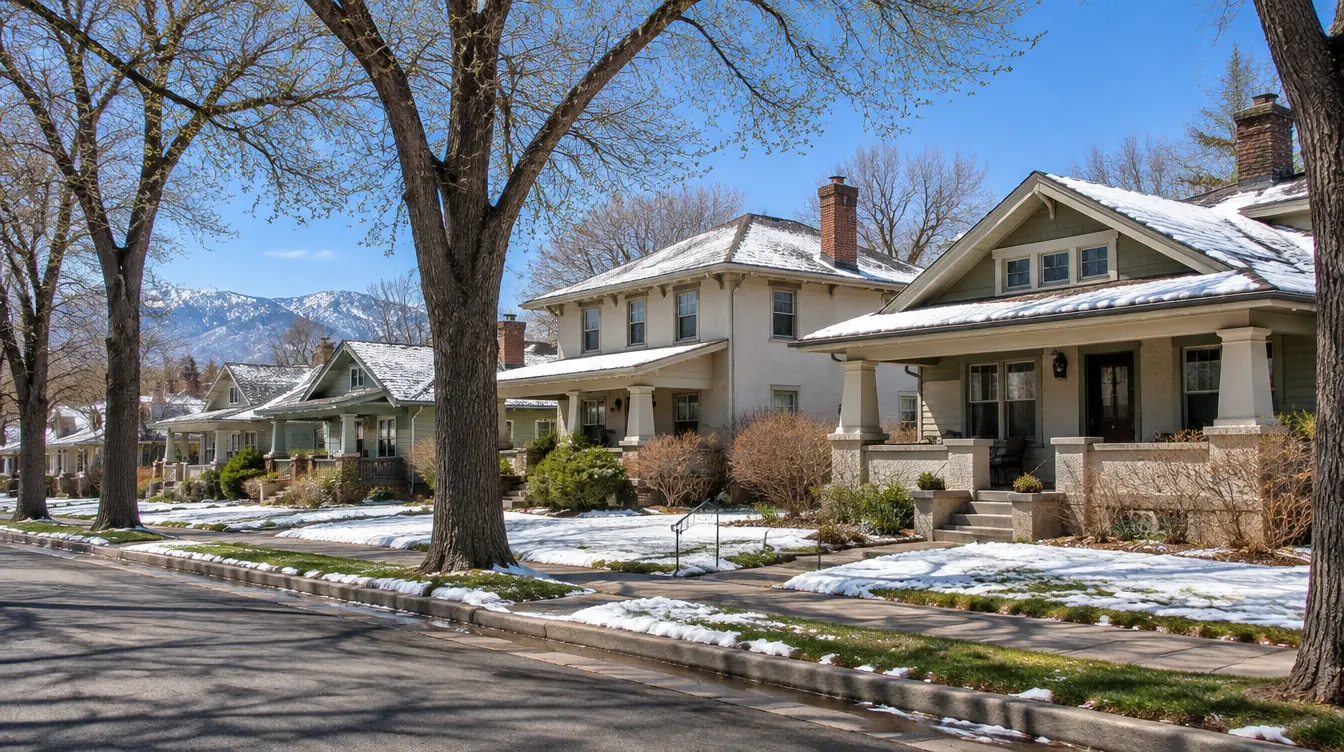
A weeping supply line, an ice dam, basement seepage — describe what you found and get connected with a Denver pro who starts at the source.
Call (720) 637-1978 NowDenver Mold Removal: Find the Water, Then Remove the Mold
Good mold work runs in a fixed order. First the moisture source gets found and stopped. Then the affected area gets isolated so spores and dust don't drift into clean rooms or the furnace return. Then material that can't be cleaned — usually drywall, insulation, and carpet pad — comes out in sealed bags, and what stays gets HEPA-vacuumed and wiped. Skip the first step and the stain comes back by next winter. Skip the second and a one-room problem becomes a whole-house cleanup.
The sequence holds whether the job is a patch behind a toilet or a full basement. Scale is what the call sorts out.
Mold Removal Services Around Denver, CO
Depending on what you've found, the right next step may be one of these:
- Denver mold remediation — full containment, removal of contaminated material, and clearance before rebuild
- Mold mitigation — stopping the spread and drying things out, often the first move while the full scope is worked out
- Mold testing — air and surface samples sent to a lab when you need proof, not a guess
- Mold inspection — a moisture-and-visual walk-through to find where the growth and the water actually are
- Choosing a mold inspector — why an independent inspector is worth considering before a remediation crew
- Water damage remediation — drying, tear-out, and repair planning after a leak
- Emergency water removal — when there is standing water on the floor right now
Not sure which one fits? Describe it in plain language on the call and get routed to a crew equipped for that kind of job.
Where Mold Hides in Denver Homes
Housing age drives most of the patterns. In the Highlands, Park Hill, and Washington Park, a lot of homes date from the early 1900s through the 1940s, and many have basements that were finished decades after the house was built. Framed walls went up against old foundation walls with no real moisture break, so a little seepage after a wet spring storm wicks into the bottom plate and drywall and stays there, out of sight behind the paneling or carpet. Older plumbing in those same homes adds slow leaks at fittings and drains.
Up top, the problem is snow and sun. A storm dumps snow, the afternoon sun melts it, and the night refreeze builds ice dams at the eaves. Meltwater backs up under the shingles and soaks the attic sheathing and insulation. Older homes with evaporative swamp coolers on the roof or in an attic window add a summer version: a cooler that drips or overflows can keep a ceiling wet for weeks.
The suburbs have their own version. Split-levels and bi-levels from the 1960s and 70s across Lakewood, Arvada, and Littleton have lower levels set partly below grade, and Aurora's newer subdivisions see mold from appliance leaks and poorly vented bathrooms in tight, well-sealed houses. Local crews see all of these every week.
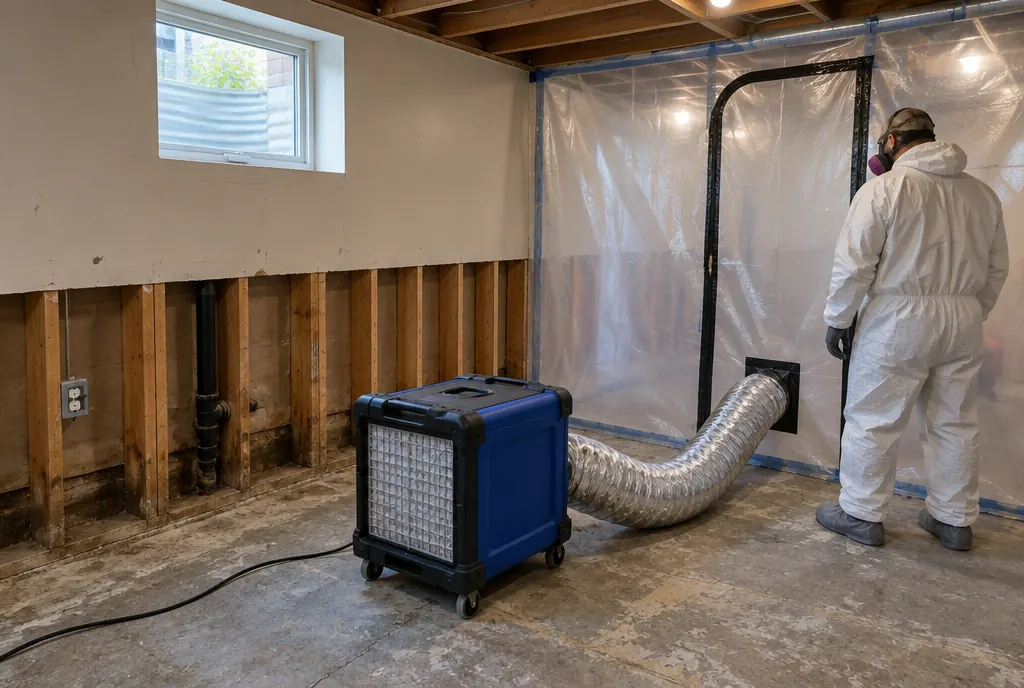
Musty basement, stained ceiling, wet carpet — say what's going on and get routed to an independent local crew equipped for exactly that.
Call (720) 637-1978 NowBlack Mold Removal in Denver — What Actually Matters
Dark growth worries people, and fair enough. But the EPA's guidance is that you don't need to identify the species to act on visible mold. Any mold growing indoors should come out, and the removal process is the same either way. What matters more is how big the area is and what is behind it. A patch under about ten square feet on a hard surface is often a homeowner job. Anything larger, anything inside a wall cavity, anything in the HVAC system, or anything that keeps coming back after cleaning is worth a professional call. If you're not sure, the what to do if you find mold guide walks through the first hour.
An Honest Note About How This Works
This site is a free call-connection service, not a contractor. It has no crews and no trucks. Your call is routed to independent local mold removal pros serving Denver, Aurora, Lakewood, Littleton, Arvada, and nearby, and you hire them directly. Before work starts, ask the pro for proof of insurance, ask whether the crew follows the IICRC S520 mold remediation standard, and get the written scope in hand. Good crews expect those questions.
Questions Denver Homeowners Ask First
How much will it cost? It depends almost entirely on how much material has to come out and how much containment the job needs. The mold remediation cost guide breaks down what moves the number.
Will insurance cover it? Sometimes — usually when the mold traces to a sudden event like a burst pipe, rarely when it grew from long-term seepage. Explain the cause on the call.
Can I stay in the house? For small, well-contained jobs, usually yes. For large basement jobs or anyone with asthma, plan around the work zone.
You can start from the contact page, but the fastest route is the phone. Call (720) 637-1978, tell a local pro what you found and where, and get a real plan moving.
Tell a local pro your neighborhood and what you're seeing. A two-minute conversation beats another weekend of guessing.
Call (720) 637-1978 Now